
|
|
|
Welcome to the Bananas.org forums. You're currently viewing our message boards as a guest which gives you limited access to participate in discussions and access our other features such as our wiki and photo gallery. By joining our community, you'll have access to post topics, communicate privately with other members (PM), respond to polls, upload photos, and access many other special features. Registration is fast and simple, so please join our community today! If you have any problems with the registration process or your account login, please contact us. |
|
|||||||
| Register | Photo Gallery | Wiki | Map | Today's Posts | Search |
| Other Plants Discussion of all other types of plants besides bananas. |
 Members currently in the chatroom: 0
|
|
 |
The most chatters online in one day was 17, 09-06-2009. No one is currently using the chat. |

 Email this Page Email this Page
|
|
|
LinkBack | Thread Tools |
 11-03-2010, 12:25 AM
|
#1 (permalink) |
|
Join Date: May 2009
Posts: 15,161
BananaBucks
: 1,456,759
Feedback: 1 / 100%
Said "Thanks" 12,042 Times
Was
Thanked 11,326 Times in 5,311 Posts
Said "Welcome to Bananas" 102 Times
|
 Facing Your Mistakes!
Autumn is the time to bite the bullet and take out plants that haven't worked...for whatever reason.
 Gardening is about change and no garden is ever finished. It's best to just acknowledge reality and remove a mistake, and spend the winter visualizing the great new plant you now have space for!  Sometimes a plant just won't grow well. The climate is favorable, you've prepared the soil correctly, watering and feeding were done properly, the light was right, but no matter what, the plant just didn't grow the way it should and seems sickly or sulky. Dig it up and toss it!  If a plant fails to thrive. the mistake may very well be yours. Perhaps you put a good plant in a bad place...you didn't check out the light requirements, you forgot how boggy that corner gets in Spring...though you knew the plant required excellent drainage. Or maybe it wasn't an oversight... Maybe you just wanted the plant in that space so much, you tried to force it!  Well, sometimes that works, but sometimes it doesn't.  Remove your mistakes in Autumn, while you are cleaning up and getting ready for the new year...  : ) |

|


|
 | Are you a banana plant enthusiast? Then we hope you will join the community. You will gain access to post, create threads, private message, upload images, join groups and more. |
|
Sponsors |
|
11-03-2010, 08:32 AM
|
#2 (permalink) |
|
Join Date: May 2009
Posts: 15,161
BananaBucks
: 1,456,759
Feedback: 1 / 100%
Said "Thanks" 12,042 Times
Was
Thanked 11,326 Times in 5,311 Posts
Said "Welcome to Bananas" 102 Times
|
 Re: Facing Your Mistakes!
 Getting Ready for Winter & Spring... You can take some important steps in Autumn to improve your gardening success the following year. Start cleaning up your vegetable & annual flower areas after the harvest is completed. Pull out all the weeds. If you've been good all through the year, there won't be many left!  If you still have some flowers that have gone to seed, you can collect them or leave them for the birds... Don't leave discarded plant parts on the ground through winter. Many insects will overwinter there, and they'll be all too ready to emerge in the Spring. There are a number of insects that can overwinter in discarded vegetative matter. Many of these overwintering little buggers can be reduced by cleaning up dead material and tilling the soil, exposing nasty grubs to the birds and coons. Tomatoes and melon vines are especially good harborors for next year's diseases and pests. If you are maintaining a compost pile, shred the vines and throw them in. If not, burn them or dispose of them in plastic bags. Cover Crops... One of the easiest ways to improve your soil structure is to plant a cover crop in Autumn and till or dig it under in Spring, about three or four weeks before planting out. Cover crops are simply a type of green manure, a plant grown to be added directly back into the soil to enrich and improve it... You can grow a cover crop on small areas just as well as large ones. You don't need to have a whole field available to grow a cover crop... a 2-by-4-foot bed benefits just as much as half an acre. A cover crop cut out in Spring and tilled in, improves the soil by adding humus... Many gardeners, especially novices, are mystified by the term "humus". It's not all that myterious though... Humus is the decomposed remains of vegetable and animal matter. Anything that decomposes in the soil, adds humus. Mostly though, humus is the broken-down final product of animal or vegetable matter. The best cover crop depends in large part on your winter weather. Winter wheat and rye are the best choices for very cold climates like we have. Planted in Autumn before really cold weather comes, they will establish themselves before the ground freezes and grow rapidly once the weather warms up in Spring.  We'll get into winter mulches next... : ) |
|
|
|
| Said thanks: |
|
11-03-2010, 09:05 AM
|
#3 (permalink) |

Location: Ontario, Canada...zone 5b
Zone: 5b
Name: Penny
Join Date: Aug 2009
Posts: 301
BananaBucks
: 8,821
Feedback: 0 / 0%
Said "Thanks" 379 Times
Was
Thanked 306 Times in 201 Posts
Said "Welcome to Bananas" 3 Times
|
 Re: Facing Your Mistakes!
Excellent tips, thanks Sherry
  |
|
|
|
| Said thanks: |
|
11-03-2010, 12:22 PM
|
#4 (permalink) |
|
Join Date: May 2009
Posts: 15,161
BananaBucks
: 1,456,759
Feedback: 1 / 100%
Said "Thanks" 12,042 Times
Was
Thanked 11,326 Times in 5,311 Posts
Said "Welcome to Bananas" 102 Times
|
Re: Facing Your Mistakes!
 Winter Mulches... One of the best materials for mulching is leaves, either shredded or whole.  Leaves are usually available in quantity in Autumn. Use your own, your neighbor's, or collect them from around the neighborhood. Leaves are much easier to handle if they are shredded by passing over them once or twice with a lawn mower.  Three or four inches of shredded leaves make a fine winter mulch for perennials & bulbs. Wait until the ground surface freezes, then cover it with the leaves.  Whole leaves tend to blow away, unless they are in some sort of container or catch. One old trick is to use inverted tomato cages around roses in winter, stuffing them tightly with dry leaves. The cages should be inverted so the wider area is on the bottom.  Any organic mulch may be used in the winter, but mechanical ones such as black plastic should be reserved for the summer. Black plastic will make the soil too dry underneath, and can promote disease. If you have wood chips available, put them down in the winter and let them decay during the dormant season for the plants they are protecting. This way you don't need to use additional nitrogen, as you would during the growing season. Wood chips use soil nitrogen to help with the rotting process, but that nitrogen returns to the soil as the wood chips decompose.  Mulches can be used to cover bare soil in the winter, not just as plant protectors. If you don't grow a crop cover as I previously suggested, try to cover the soil with shredded leaves or other organic material...  Spoiled hay can also be used, but you may have to till quickly in the Spring to prevent grass or weed seeds contained in the hay, from germinating. Next, more on mulches and specific types as well as a bit on preparing plants for winter...  : ) |
|
|
|
| Said thanks: |
|
11-03-2010, 09:54 PM
|
#5 (permalink) |
|
Join Date: May 2009
Posts: 15,161
BananaBucks
: 1,456,759
Feedback: 1 / 100%
Said "Thanks" 12,042 Times
Was
Thanked 11,326 Times in 5,311 Posts
Said "Welcome to Bananas" 102 Times
|
 Re: Facing Your Mistakes!
 Mulching a weed-free bed keeps it looking neat and offers other benefits. It prevents rapid heating and cooling of the soil, therby allowing steady root growth. It reduces water loss to evaporation. If organic material is used as mulch, it becomes soil-enriching humus as it decomposes. In addition, a well chosen mulch with a color and texture complimentary to flowers, makes a bed more attractive. Choose from a range of mulches. Select one that is the color and texture you prefer, is readily available, and fits into your budget. Also consider scent - some people like the aroma of cedar bark and cocoa hulls...while others don't. Types of Mulch...  Newspaper: All pages, except glossy paper, can be used. Most nespaper inks are soy based and contain no dangerous heavy metals. Overlap the newspaper sections and cover them with straw or grass clippings. Shredded bark or woodchip mulches: These are used extensively around foundation plants...cedar or cypress last the longest. Freshen these mulches with a new thin layer each year. Avoid buying bulk mulch that is unseasoned, smells of alcohol, or is steaming or hot to the touch! Straw, grass clippings, shredded leaves, nut hulls: These organic mulches decompose rapidly, adding organic matter to the soil. Black & red plastic: This type of mulch is laid down on top of the soil and secured to the ground two or more weeks prior to planting. The soil under the plastic warms appreciably, making it popular for use in vegetative gardens where mulch spurs rapid root growth and boosts yields of warm-weather crops. Woven landscape fabrics: Lay these materials over a defined bed and secure the edges to the ground with landscape staples or soil. Cut holes into the fabrics, then plant through them.  Preparing Plants for Winter...  Continue to enjoy carrots, beets, and other root crops you planted in the Summer. If you had the foresight to put in some broccoli in August (and if it survived the extreme heat it may have encountered early), it should be just right to harvest now. Midseason plantings of cabbage are ready to pick late in the Autumn. They will survive frost. Lettuce planted around Labor Day will be ready for Halloween salads! Some gardeners put in peas to harvest in late Autumn. Radishes, with their 30-days-to-harvest style, are a good Autumn crop. There may still be some late-season flowers, especially asters and geraniums. Next, I'll touch on Mulching Myths...  : ) |
|
|
|
| Said thanks: |
|
Sponsors |
|
11-05-2010, 09:37 AM
|
#6 (permalink) |
|
Join Date: May 2009
Posts: 15,161
BananaBucks
: 1,456,759
Feedback: 1 / 100%
Said "Thanks" 12,042 Times
Was
Thanked 11,326 Times in 5,311 Posts
Said "Welcome to Bananas" 102 Times
|
Re: Facing Your Mistakes!
MULCHING...
 Find cedar mulch in various forms, from shredded to chipped bark. Attractive pine staw mulch works well in annual & pernnial flower beds. Gravol and crushed-stone mulches prove useful and appealing in the landscape. Proper Mulching... Mulch in Spring, after perrenial plants have emerged and new plantings are complete. First, fertilize the garden, if needed. Water well or wait for a rain. Remove any weeds. Then spread a 2-3 inch layer of mulch between plants, keeping the material several inches away from plant stems. Mulch again in late Fall (after the ground has frozen in cold climates or anytime in warm climates) to help insulate the plant root systems from extreme cold in Winter. Mulch potted plants too. Their root systems are exposed to extreme cold. Use compost as free, super-soil-building mulch. Pile it up to 4 inches on the garden every few months. You also can acquire free or low-cost mulch from local sources, such as pine straw in the Southeast, wood chips in the Northeast, and hazelnut shells in the Northwest. Mulch Myths...  Myth 1 ~ Remove mulch in the Spring to allow the soil to warm: This is a misconception based on English practice. In cool, mild climates and areas far enough north that the Spring sun is at a low angle, removing the mulch may hasten warming...but in most of the US and Canada, soil temperatures rise rapidly in Spring, even under mulch. Myth 2 ~ Don't mulch in Fall until the soil freezes: No need to wait. Apply mulch anytime existing material is too thin to suppress weed germination. If you mulch heavily to protect crowns during Winter, do so after freezing temperatures have stopped growth. Myth 3 ~ Oak leaf and pine leaf needles are so acidic they kill plants: Stop worrying. Almost all organic mulches affect soil pH as they break down. Oak and pine foliage are two that produce a slightly acidic reaction. They are not useful where soil is already very acidic and you want to raise the pH, but in slightly acidic to very alkaline soils they are excellent mulches. The notion that pine needles kill plants may be related to the barren earth often found under pines. This absence of vegetation usually has more to do with the lack of water and excess shade under a pine than the soil pH, which may be alkaline despite decades of needle fall. Oak leaves contain tanic acid, which is said to leach into standing water. Plant failure probably occurs because of poor drainage, rather than low pH. Myth 4 ~ Mulch must be worked into the soil as it breaks down: This is unecessary. Once mulch is decomposed enough that it is no longer recognizable, allow it to mix into the soil during weeding or other garden work, but don't make a special effort to incorporate it. Soil organisms, such as earthworms, will do that for you with far greater effect and less trauma to plant roots. Myth 5 ~ If mulch is added every year, the soil level in a bed increases rapidly: Two to three inches of mulch decompose to roughly 1/4" of compost, which degrades further into humus (described earlier) and water-soluble nutrients. Plants take up the nutrients to incorporate into their tissues. You remove some of the remains of last year's mulch every time you remove plant matter in weeding, dividing, or general cleaning up. New mulch usually adds only enough material to replace what's lost in this cycle. Myth 6 ~ Mulch attract termites: Not true. Mulch does not contribute to cool, moist, rich soil, which will sustain more life of all kinds than dry, worn-out soil. Such a variety and quantity of creatures is a sign of fertile soil and is usually self-regulating, in that predator organisms in the soil act to keep any pest populations in check. Wood chip mulches may provide food for termites...avoid direct contact with wooden foundations. Myth 7 ~ Weed barrier cloth hidden under bark is an excellent mulch for perennials: Plastic and woven weed barriers do not completely curb weeds. Weeds can grow in decaying mulch on top of the barriers. Barrier cloths do not allow clumps of perrenials to increase in size, cost more than mulch alone, and may reduce the oxygen in the soil. Plastic mulches stop air movement into the soil, and weed barrier cloth, while air-permeable, reduces the activity of worms tunneling between the soil's surface and subsoil, which directly decreases soil oxygen. Next, I'll get into winter protection and a bit about protecting plants from wildlife...  : ) |
|
|
|
| Said thanks: |
|
11-06-2010, 05:53 AM
|
#7 (permalink) |
|
Zone 10, South Florida

Location: Royal Palm Beach
Zone: 10
Join Date: Aug 2006
Posts: 870
BananaBucks
: 181,404
Feedback: 1 / 100%
Said "Thanks" 30 Times
Was
Thanked 590 Times in 298 Posts
Said "Welcome to Bananas" 4 Times
 |
Re: Facing Your Mistakes!
good tips hb....I need to look into getting a mulch pile going.
|
|
|
|
| Said thanks: |
|
11-06-2010, 06:02 AM
|
#8 (permalink) |
 
Join Date: Mar 2008
Posts: 3,578
BananaBucks
: 33,394
Feedback: 1 / 67%
Said "Thanks" 3,829 Times
Was
Thanked 1,556 Times in 675 Posts
Said "Welcome to Bananas" 334 Times
|
Re: Facing Your Mistakes!
Thanks Sherry! It is good to be reminded of ALL the reasons to mulch. Good weather and good growing to you!!
 |
|
|
|
| Said thanks: |
|
11-06-2010, 06:29 AM
|
#9 (permalink) |
|
Orang Puteh

Location: Washington Twp N.J.
Zone: 6a
Name: bob
Join Date: Sep 2008
Posts: 3,529
BananaBucks
: 262,207
Feedback: 12 / 100%
Said "Thanks" 9,550 Times
Was
Thanked 4,062 Times in 1,695 Posts
Said "Welcome to Bananas" 565 Times
|
Re: Facing Your Mistakes!
When's the book coming out? Where will you find any pictures for it?
Really good stuff Sherry.
__________________

|
|
|
|
| Said thanks: |
|
11-07-2010, 11:47 AM
|
#10 (permalink) |
|
Join Date: May 2009
Posts: 15,161
BananaBucks
: 1,456,759
Feedback: 1 / 100%
Said "Thanks" 12,042 Times
Was
Thanked 11,326 Times in 5,311 Posts
Said "Welcome to Bananas" 102 Times
|
Re: Facing Your Mistakes!
Thanks, Everyone!!!
The time has come for some more information, so I'll spend some time this afternoon organizing more good tips and helpful suggestions. Look for a new post by tonight... : ) |
|
|
|
|
11-07-2010, 06:32 PM
|
#11 (permalink) |
|
Join Date: May 2009
Posts: 15,161
BananaBucks
: 1,456,759
Feedback: 1 / 100%
Said "Thanks" 12,042 Times
Was
Thanked 11,326 Times in 5,311 Posts
Said "Welcome to Bananas" 102 Times
|
Re: Facing Your Mistakes!
Winter Protection...
 Young Perennial plants are especially susceptible to winter injury caused by ice melting salts, extended freezing, temperatures, alternating freezes and thaws, and browsing animals. Plants that are marginally hardy in your area are more prone to these problems.  Sometimes perennials appear to have survived the winter and begin growing in early spring. But then, they suddenly take a turn for the worse and die! In other cases, they never awaken from their winter slumber. Either way, this is called "winter-kill"!!! You can minimize winter-kill and other winter-related problems by taking good care of your new plants. Avoid pruning or feeding in late summer...both practices stimulate growth at a time when perennial plants are naturally becoming dormant. Water woody ornamentals throughout the fall & winter if rainfall is inadequate. Tip: Use straw to protect the crowns of tender perennials such as Chrysanthemums...  Bulbs... The bulbs, corms, or tubers of cannas, calla lilies, dahlias, and others should be dug carefully after the foliage of the plants dies. Remove any soil that clings to the bulbs. Place the clean, dry bulbs in a box filled with dry vermiculite. Cover the bulbs with vermiculite. Store the box in a cool dry place until spring. Tulip, hyacinth, daffodil, and many other spring bulbs are fine to be left in the ground over the winter but I like to bury mine 8" deep instead of 6" for extra protection from cold and squirrels. If you have a serious problem with squirrels however and they are relentless in eating your bulbs, you can cut a length of chicken wire and bend it into a tube shape that will fit inside the diameter of the bulb planting hole... Fit the wire tube into the planting hole, lining the sides & bottom of the hole... Cover the bulbs with soil and a handful of stones. Lay a blanket of wire over them. Protecting plants from Wildlife... Many animals feed on and damage plants during the growing season and through the winter. The first step in preventing animals from damaging or destroying your flowering plants is to identify the culprit. Then evaluate how much damage is being done. Do a little research to find out about their life cycle and habits before you attempt to circumvent them. Deer feast on a variety of flowering plants. I was at a cemetary this summer and fall that's over-run with deer and they eat all the flowers people leave on the graves. They commonly wreak havoc even in city gardeners and a number of gardeners on this site are having problems with wildlife constantly thwarting their efforts. As a matter of fact here was one of the bucks I snapped a shot of in the cemetery who was snacking on a bouquet of someone's fresh roses they'd left on one of the graves earlier...  The group of them were feeding on all the potted chrysanthemums in the area too...  Fences...at least 8 feet tall...remain the best defence against deer.  Rabbits often work from the bottom toward the top of a plant. They may prefer to graze one side of a plant or the garden that is closer to shelter. Protect small or young plants from rabbits by placing a lightweight fabric row cover over the planting areas with 1/2" mesh fensing. Squirrels, ground squirrels, & chipmunks can be captured and relocated. Consult your county extension service for more suggestions about specific pests in your region. More information soon...  : ) Last edited by The Hollyberry Lady : 11-07-2010 at 10:20 PM. Reason: damn spelling!!! |
|
|
|
| Said thanks: |
|
11-08-2010, 04:09 PM
|
#12 (permalink) |
|
Join Date: May 2009
Posts: 15,161
BananaBucks
: 1,456,759
Feedback: 1 / 100%
Said "Thanks" 12,042 Times
Was
Thanked 11,326 Times in 5,311 Posts
Said "Welcome to Bananas" 102 Times
|
Re: Facing Your Mistakes!
Preparing for Winter...
 Once the flowers start to fade, and you can feel a definite chill in the air, it's time for the last outdoor maintenance tasks of the season. By preparing your garden for winter, you will ensure that your annuals & perennials will be back in spring. Fall clean-up for Perennials... To help your perennials survive their winter ordeal, give all perennial beds a thorough watering before the ground freezes. Remove dead foliage and cut dead stems back to the ground. Compost garden debris unless it's diseased or full of seeds...if so, bury or dispose of it. After the first hard frost, give your beds a generous layer of mulch to protect from heaving and dramatic temperatures changes. 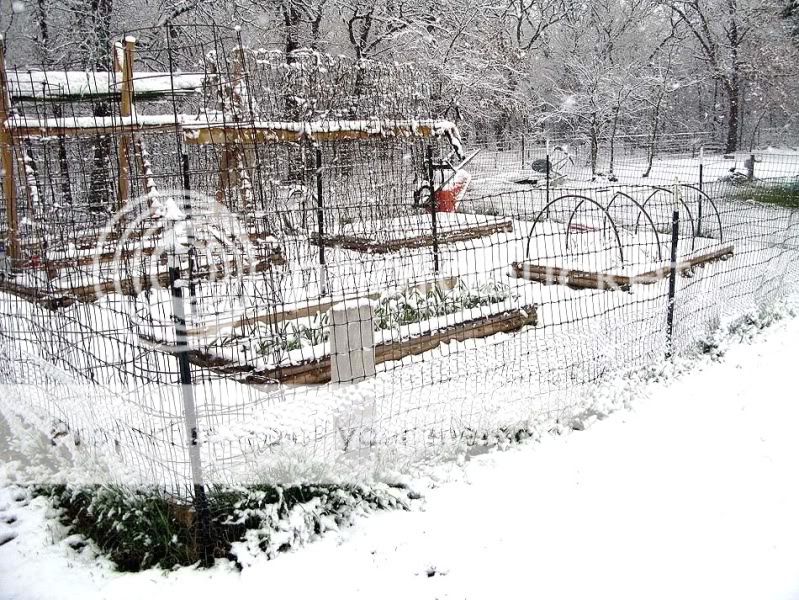 Use about 1" of heavy materials, like bark chips, or about 3" of light mulches, such as pine needles or chopped leaves. In particularly cold or exposed sites without dependable snow cover, also add an extra cover of light branches (those from pines and firs work well), pine needles, or (after the holidays) boughs from a discarded Christmas tree. You might have to remove this covering and pull the mulch back from around the base of the plants in early spring to let the soil warm up. If fall is always a busy time for you and you never quite finish your garden clean-up like me, don't worry. Some plants, such as ornamental grasses and plants with interesting seedpods are beautiful into winter. You can leave these standing until early spring. Tip: A layer of pine needles will protect your plants from the effects of extreme temperature changes...  Most of the garden won't look so tidy if it is not cut back, but it will get through the winter just the same. Standing stems actually help hold lightweight mulches in place through winter storms. Focus your clean-up on any plants that showed signs of disease this year or in previous years...fall clean-up reduces the chance of future recurrence. In spring, get into the garden early (when the soil dries out and no longer squishes under foot) to cut remaining stems back before new spring growth starts...  Otherwise, it will become a much more complicated and time consuming task as you try to trim out the old growth without damaging the new shoots. If you've had problems in the past with certain plants reseeding too prolifically, cut off their seedheads in the Fall. Annuals ready for Winter...  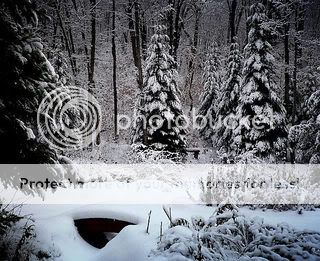 Before the frost hits, take cuttings from or dig up any special annuals that you want to grow again next year and bring some inside for the winter. After the first hard frost, tender and half-hardy annuals usually turn brown...pull these out and toss them on the compost pile (like I wish I could do), or the trash if you haven't got one. Hardy annuals such as Alyssum (one of my favorites) may keep blooming through several frosts...you can either pull them in fall or wait until spring. Foxgloves and other biennials usually make it through winter just fine, but a protective layer of mulch applied after the ground is frozen can help in severe-winter areas... 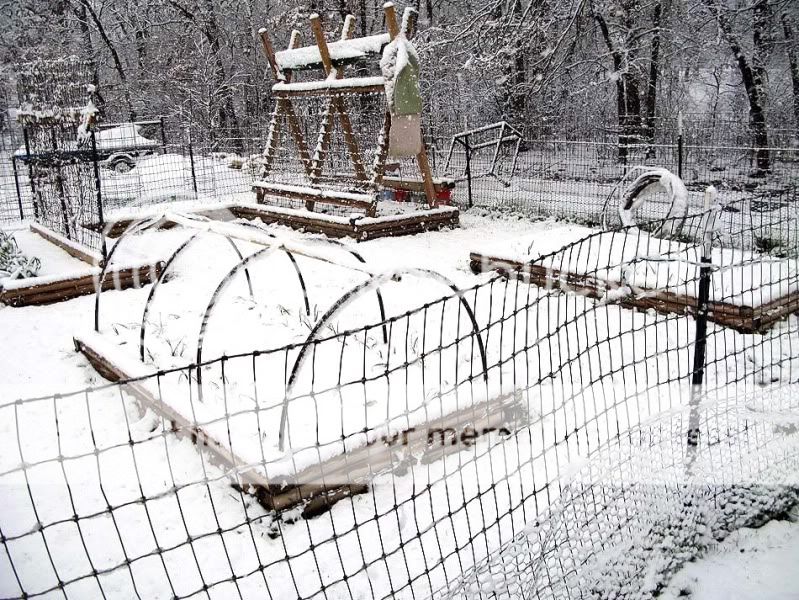 More information from me soon, but others may feel free to add their own info also, even if it's different or it contradicts my own... : ) |
|
|
|
| Said thanks: |
|
11-08-2010, 04:59 PM
|
#13 (permalink) |
|
Orang Puteh
Location: Washington Twp N.J.
Zone: 6a
Name: bob
Join Date: Sep 2008
Posts: 3,529
BananaBucks
: 262,207
Feedback: 12 / 100%
Said "Thanks" 9,550 Times
Was
Thanked 4,062 Times in 1,695 Posts
Said "Welcome to Bananas" 565 Times
|
Re: Facing Your Mistakes!
Had to show that picture of the buck again .... didn't you?
__________________
|
|
|
|
| Said thanks: |
|
11-08-2010, 05:08 PM
|
#14 (permalink) |
|
Join Date: May 2009
Posts: 15,161
BananaBucks
: 1,456,759
Feedback: 1 / 100%
Said "Thanks" 12,042 Times
Was
Thanked 11,326 Times in 5,311 Posts
Said "Welcome to Bananas" 102 Times
|
 Re: Facing Your Mistakes!
Yup, I did Bob...and try not to be jealous!
Those bugger were polishing off every live flower in the cemetery that day!!! : ) |
|
|
|
| Said thanks: |
|
Email this Page
|
| Currently Active Users Viewing This Thread: 1 (0 members and 1 guests) | |
|
|