Well ,ease to explain ..
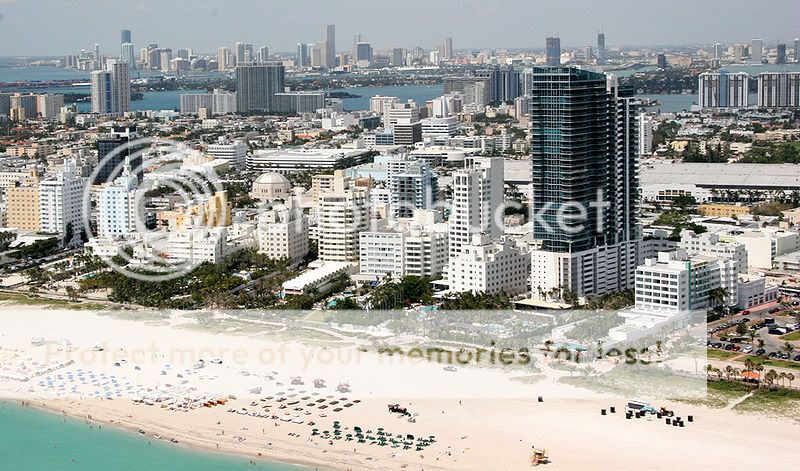
SoBe that is where I live ..
South Beach is a neighborhood in the city of Miami Beach, Florida, United States. It is the area south of Indian Creek and encompasses roughly the southernmost 23 blocks of the main barrier island that separates the Atlantic Ocean and Biscayne Bay. This area was the first section of Miami Beach to be developed, starting in the 1910s, thanks to the development efforts of Carl G. Fisher, the Lummus Brothers, John S. Collins, and others. The area has gone through numerous man-made and natural changes over the years, including a booming regional economy, increased tourism, and the 1992 hurricane Andrew, which consequently destroyed much of the area.
note: "An explosion of Bananas grow is well watch and follow by city officials "
Miami Beach ,an incredible city, a city with a life and personality of its own. A city full of bohemian and passionate people ,a perfect place to live free and garden with full of ease..!
[IMG]
[/IMG]
and
MUSA well we all know:
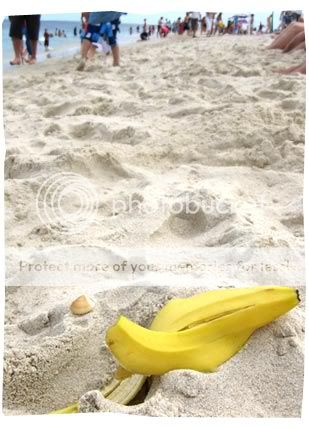
Musa (pronounced /ˈmjuːzə/)[1] is one of three genera in the family Musaceae; it includes bananas and plantains. There are over 50 species of Musa with a broad variety of uses. The word "banana" came via Portuguese or Spanish from a West African language (possibly Wolof) circa 1597 and has since found its way into most Western languages. The scientific name for the genus is similar to and possibly derived from the Arabic, Persian mawz/mauz (موز) or Turkish (muz) names for the fruit.
Though they grow as high as trees, banana and plantain plants are not woody and their apparent "stem" is just the bases of the huge leaf stalks. Thus they are technically gigantic herbs.
Musa species are used as food plants by the larvae of some Lepidoptera species including Giant Leopard Moth and other Hypercompe species including H. albescens (only recorded on Musa), H. eridanus and H. icasia.
[IMG]
[/IMG]