 11-03-2010, 09:54 PM
|
#5 (permalink)
|
Join Date: May 2009
Posts: 15,161
Said "Thanks" 12,042 Times
Was
Thanked 11,326 Times in 5,311 Posts
|
 Re: Facing Your Mistakes!
Mulching a weed-free bed keeps it looking neat and offers other benefits. It prevents rapid heating and cooling of the soil, therby allowing steady root growth. It reduces water loss to evaporation. If organic material is used as mulch, it becomes soil-enriching humus as it decomposes. In addition, a well chosen mulch with a color and texture complimentary to flowers, makes a bed more attractive.
Choose from a range of mulches. Select one that is the color and texture you prefer, is readily available, and fits into your budget. Also consider scent - some people like the aroma of cedar bark and cocoa hulls...while others don't.
Types of Mulch...

Newspaper: All pages, except glossy paper, can be used. Most nespaper inks are soy based and contain no dangerous heavy metals. Overlap the newspaper sections and cover them with straw or grass clippings.
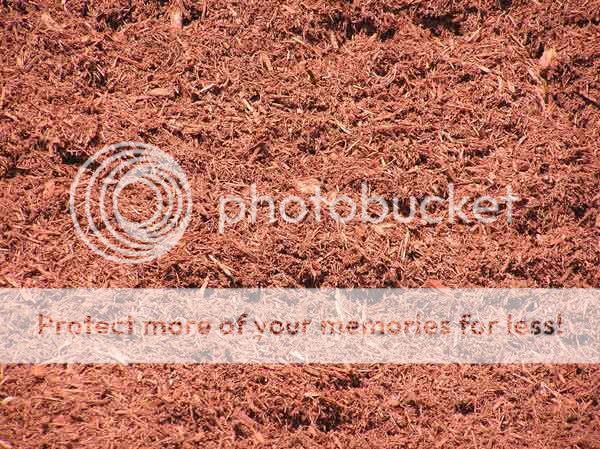
Shredded bark or woodchip mulches: These are used extensively around foundation plants...cedar or cypress last the longest. Freshen these mulches with a new thin layer each year. Avoid buying bulk mulch that is unseasoned, smells of alcohol, or is steaming or hot to the touch! 
Straw, grass clippings, shredded leaves, nut hulls: These organic mulches decompose rapidly, adding organic matter to the soil. 
Black & red plastic: This type of mulch is laid down on top of the soil and secured to the ground two or more weeks prior to planting. The soil under the plastic warms appreciably, making it popular for use in vegetative gardens where mulch spurs rapid root growth and boosts yields of warm-weather crops. 
Woven landscape fabrics: Lay these materials over a defined bed and secure the edges to the ground with landscape staples or soil. Cut holes into the fabrics, then plant through them.
Preparing Plants for Winter...

Continue to enjoy carrots, beets, and other root crops you planted in the Summer. If you had the foresight to put in some broccoli in August (and if it survived the extreme heat it may have encountered early), it should be just right to harvest now. Midseason plantings of cabbage are ready to pick late in the Autumn. They will survive frost. Lettuce planted around Labor Day will be ready for Halloween salads!
Some gardeners put in peas to harvest in late Autumn. Radishes, with their 30-days-to-harvest style, are a good Autumn crop. There may still be some late-season flowers, especially asters and geraniums.
Next, I'll touch on Mulching Myths...

: ) |

|


|